 Clearwater Siding
 Why Palm Harbor Windows Wear Out Faster Than the National Average
Palm Harbor sits close enough to Tampa Bay and the Gulf that its homes take a different kind of beating than houses further inland. It isn't one big event that wrecks a window system — it's the accumulation of ordinary Pinellas County weather. Year-round UV breaks down vinyl and rubber seals faster than in most of the country. Wind-driven rain during summer storms and tropical systems tests every seam and flashing detail, not just the glass. And salt-laden air moving off the water corrodes aluminum hardware, screws, and weep systems long before a homeowner notices a leak.
None of this means every window in Palm Harbor is doomed early. It means the margin for a mediocre installation is smaller here than it is in a drier, calmer climate. A window that's slightly out of level, under-shimmed, or sealed with the wrong product might hold up fine in a mild region for fifteen years. In this area, those same shortcuts tend to show up as leaks, fogging, or hardware failure much sooner.
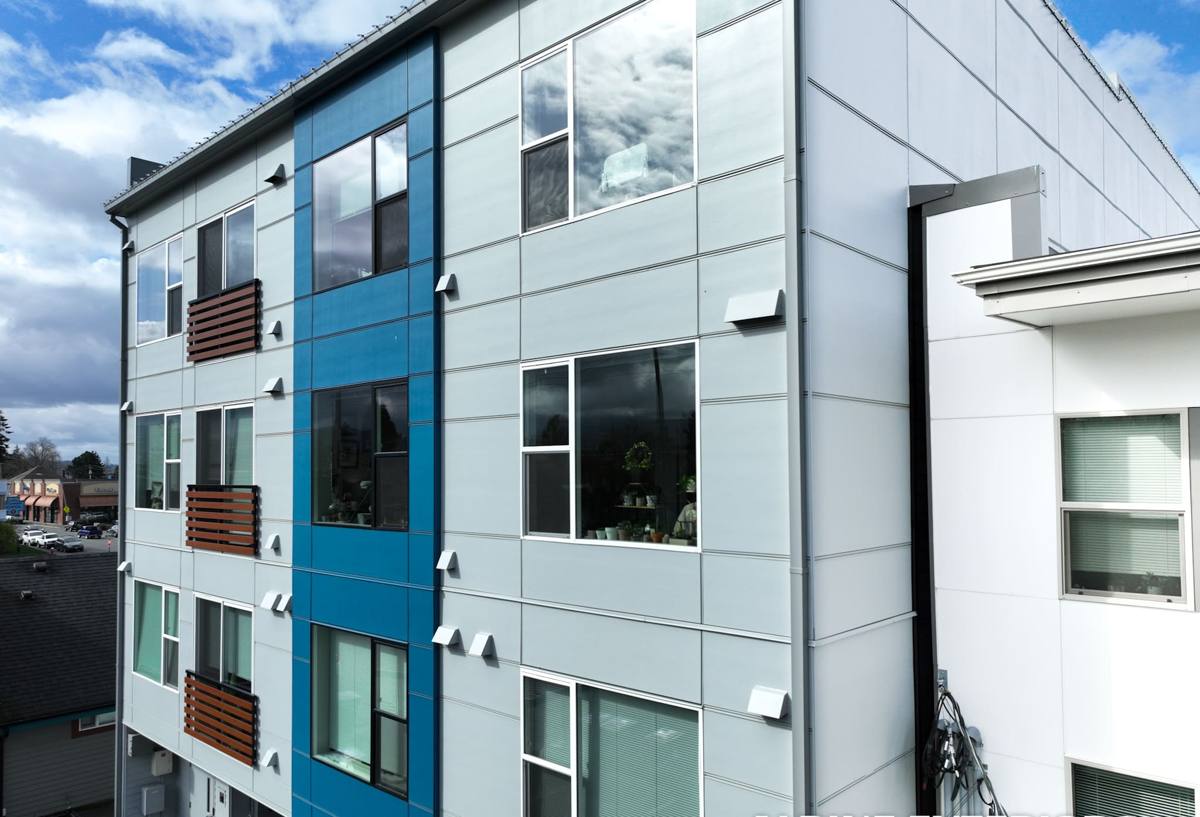
What "Correct" Window Replacement Looks Like in This Climate
A proper Palm Harbor window replacement is really three jobs done well: removing the old unit without damaging the rough opening, sealing that opening correctly, and installing a window rated for the wind and water exposure this area actually sees. Skip any one of the three and the other two don't matter much.
The Opening Matters as Much as the Window
Old openings in this part of Florida are frequently out of square, have deteriorated wood or stucco around the frame, or have flashing that was never installed correctly to begin with. Setting a brand-new, code-rated window into a bad opening just moves the failure point — water and air will find the weak spot regardless of how good the window itself is.
Sealing and Flashing
Wind-driven rain in Pinellas County doesn't fall straight down — it gets pushed sideways into every gap. Proper flashing tape, backer rod, and a compatible sealant at the sill, jambs, and head are what actually keep water out during a real storm, not just a garden hose test. This is also the step that gets rushed most often on lower-bid jobs, because it's invisible once the trim goes back on.
Signs Your Palm Harbor Home Needs New Windows
- Visible fogging or a milky haze between panes of double-pane glass (a failed seal, not a cleaning issue)
- Windows that are difficult to open, close, or lock, or that have started to sag in the frame
- Soft or discolored wood, stucco cracking, or drywall staining around the window frame inside the home
- Noticeable drafts, or a room that feels hotter or more humid than the rest of the house
- Chalky, pitted, or corroded aluminum frames and hardware from years of salt air exposure
- A jump in cooling costs without a clear cause elsewhere in the home
- Visible daylight or gaps around the frame when the window is closed
- Whistling or rattling during windy conditions
Any one of these on its own might just need a repair. Several at once, especially in a home with original or older windows, usually points to full replacement being the more cost-effective long-term move.
Impact-Rated Windows and What the Rating Actually Covers
Pinellas County falls under Florida's wind-borne debris requirements, and product approval for new window installations has to meet the pressure and impact standards tied to the local wind zone. In practice, this means the windows we install for Palm Harbor homes are tested to withstand both sustained wind pressure and impact from wind-borne debris — not just rated for looks.
There's an important distinction homeowners often ask about: impact-rated windows and hurricane shutters solve different problems. Shutters protect glass that isn't impact-rated, but they only work if someone deploys them before a storm and they do nothing for everyday wind pressure, noise, or UV exposure the other 350 days of the year. Impact windows are built into the wall permanently and provide protection whether or not anyone remembers to prep the house.
Laminated Glass, in Plain Terms
Impact glass isn't just thicker glass — it's typically two panes bonded to an interlayer, similar in principle to a windshield. If something strikes it hard enough to crack the glass, the interlayer is designed to keep the window intact and closed rather than letting the opening fail. That interlayer also happens to block a significant amount of UV and cuts down on outside noise, which is a real quality-of-life difference in a neighborhood near open water and boat traffic.
Frame Material and Glass Package Comparison
| Option | Salt Air / Corrosion Resistance | Maintenance | Typical Trade-Off |
|---|---|---|---|
| Vinyl frame, impact-rated | Strong — won't corrode or pit | Low; occasional cleaning | Limited color/finish options compared to aluminum |
| Aluminum frame, impact-rated | Moderate; needs a quality finish and regular rinsing near the coast | Higher; hardware and finish need periodic attention | Slimmer sightlines, but more sensitive to installation quality |
| Fiberglass frame | Strong; dimensionally stable in heat | Low | Higher upfront cost than vinyl |
| Laminated impact glass | N/A (glass, not frame) | Low | Heavier sash; hardware must be rated to match |
| Low-E coated glass | N/A | Low | Small cost add; meaningfully reduces summer heat gain |
We don't push one frame material as universally "best" — the right choice depends on the home's exposure, the existing structure, and the homeowner's budget. What we won't do is install a frame-and-glass combination we don't trust to hold up under real Pinellas County conditions just because it's cheaper up front. If a product has a known moisture or maintenance burden in this climate, we'll say so before you buy it, not after it's installed.
Our Window Replacement Process
- On-site assessment. We inspect existing openings, frames, and any signs of water intrusion or structural issues before quoting anything.
- Product selection. We walk through frame material, glass package, and wind-rating options based on the home's exposure and your budget — no pressure toward the most expensive option.
- Permitting. Window replacement in Pinellas County requires a permit and product approval documentation; we handle that paperwork rather than leaving it on the homeowner.
- Removal and opening prep. Old units come out carefully, and we address any deteriorated framing, stucco, or flashing before the new window goes in — not after.
- Installation. Windows are set, shimmed level and plumb, and fastened per the manufacturer's approved installation instructions, which is what keeps the wind rating valid.
- Sealing and flashing. Proper flashing and sealant at all sides, checked for continuous coverage, not just a bead of caulk around the trim.
- Final inspection and walkthrough. We confirm operation, locking, and a clean finish, and we're available if anything needs adjustment after the fact.
Why Hiring a Crew That Knows Palm Harbor Matters
A contractor who only occasionally works this part of Florida has to relearn the local conditions on your dime. A crew that regularly works Palm Harbor and the surrounding Clearwater area already knows how salt exposure varies block by block depending on proximity to the water, how older stucco homes in this part of Pinellas County tend to have their openings framed, and what the local permitting office expects on a submittal. That familiarity shows up as fewer surprises mid-project and fewer callbacks after.
It also matters for accountability. A local, licensed and insured contractor is easy to reach if a question comes up two years after installation — which is exactly when a poorly sealed window tends to reveal itself.
Questions Worth Asking Any Contractor Before You Hire
- Are you licensed to do this work in Florida, and can you provide proof of current insurance?
- Will the windows you're proposing meet Pinellas County's current wind-borne debris and pressure requirements?
- Who is pulling the permit, and is that cost included in the quote?
- What does the installation warranty cover, separate from the manufacturer's product warranty?
- Can you explain, in plain terms, why you're recommending this specific frame and glass combination for my home?
Caring for New Windows in a Coastal Climate
Even a well-installed window benefits from basic upkeep in this environment. Rinsing frames and hardware periodically helps clear salt residue before it has a chance to sit and corrode. Checking weep holes to make sure they're clear keeps water draining out the way it's designed to, rather than pooling in the frame. And a quick visual check of exterior sealant after major storms can catch a small gap before it becomes a leak. None of this is heavy maintenance — it's the kind of five-minute check that extends the life of the installation by years.
What Affects the Cost of a Window Replacement Project
| Cost Factor | Why It Matters |
|---|---|
| Number and size of openings | More or larger windows means more material and labor |
| Frame material | Vinyl, aluminum, and fiberglass carry different material costs |
| Glass package | Impact-rated laminated glass and Low-E coatings add cost over standard glass |
| Condition of existing openings | Rot, stucco damage, or out-of-square framing adds prep work |
| Access and home configuration | Second-story or hard-to-reach windows take more time to install safely |
| Permitting requirements | Documentation and inspection scheduling are part of the project timeline |
We'd rather walk your specific home and give you real numbers than quote a broad range that doesn't reflect what your project actually needs. Every Palm Harbor home is a little different, and the honest answer to "what will this cost" almost always starts with an on-site look.
If your windows are showing their age, or you're planning ahead for the next storm season, we're glad to take a look and give you a straightforward, no-pressure estimate. Use the form below to get started, and we'll walk you through exactly what your home needs and why.