 Clearwater Siding
 Roof Repair Built for Seminole's Coastal Climate
Seminole sits close enough to the Gulf that homes here take a different kind of beating than roofs twenty miles inland. Between the salt-laden air drifting off the water, the wind gusts that come with every summer storm system, and sun that beats down on shingles nearly every day of the year, a Seminole roof ages faster than the manufacturer's warranty paperwork suggests. Small problems don't stay small here. A lifted shingle tab that would sit quietly for a season in a drier climate becomes a wind-driven rain entry point during the next named storm.
Roof repair in this part of Pinellas County isn't just patch-and-go work. It's diagnosing what the coastal environment has already done to the roof deck, the flashing, and the fasteners, then fixing the actual problem instead of just the symptom a homeowner can see from the driveway.
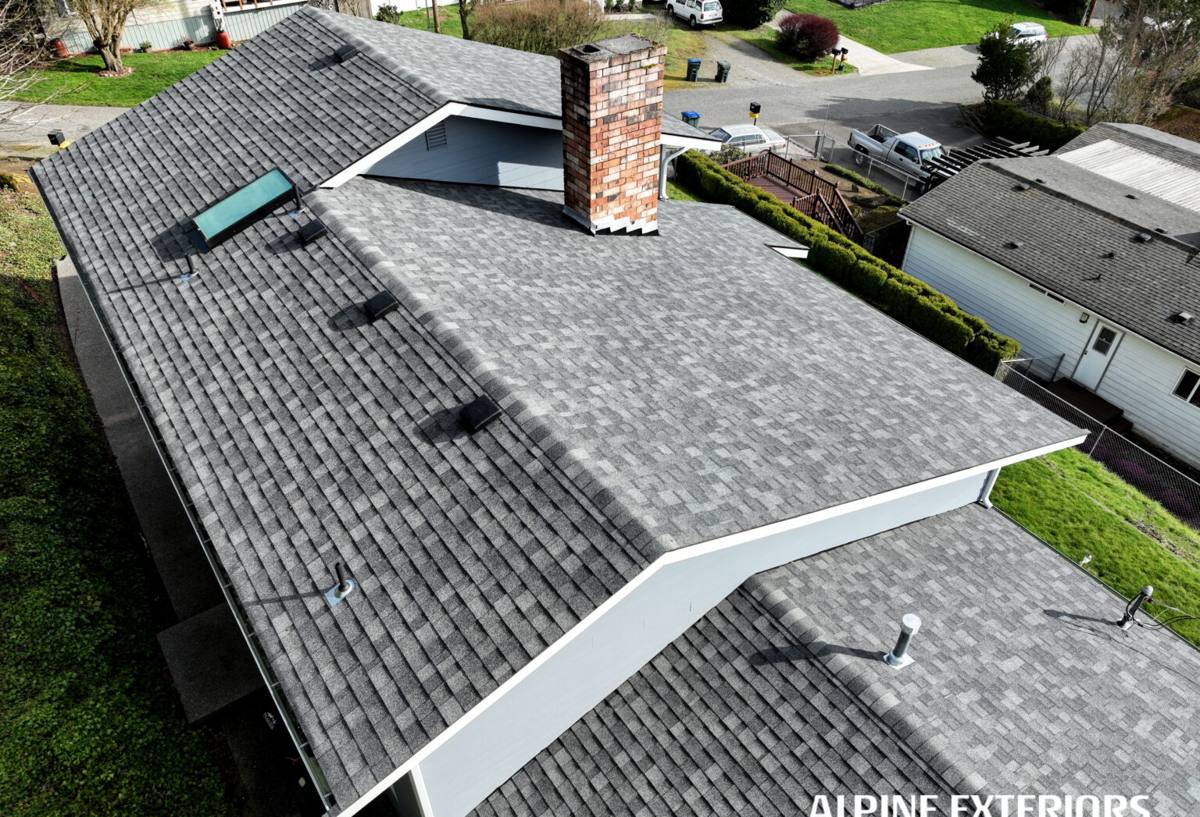
What Seminole's Climate Actually Does to a Roof
Wind and Wind-Driven Rain
Seminole roofs face regular tropical storm and hurricane threat during the season, but the more constant damage comes from ordinary summer thunderstorms with sideways rain. Wind doesn't just rip shingles off in dramatic fashion — it works underneath tabs and lifts sealant strips a little at a time, loosening the bond that keeps a shingle roof watertight. Once that seal is broken, wind-driven rain finds its way under the shingle course even when nothing looks visibly wrong from the ground.
UV Exposure
Florida sun is relentless, and it doesn't take a break in the winter the way it does farther north. UV breaks down the asphalt oils in shingles over time, making them brittle. Brittle shingles crack instead of flexing when the wind pushes on them, and cracked shingles don't reseal themselves the way a slightly worn but still-flexible shingle can.
Salt Air
Being close to the Gulf means airborne salt settles on every exterior surface, roofs included. Salt accelerates corrosion on exposed metal — flashing, nail heads, vent stacks, and drip edge — well before the shingles themselves are due for replacement. A roof that looks fine from the street can have flashing that's rusted through at the seams, which is one of the most common sources of a slow, hard-to-trace leak.
Heat Cycling
Pinellas County summers push roof surface temperatures well above the surrounding air temperature, and then afternoon storms cool everything down fast. That expansion-and-contraction cycle, repeated daily for months, stresses seams, sealant, and fastener holes. It's a slower form of wear than a windstorm, but it's constant, and it's part of why a roof's real service life in Seminole often runs shorter than the same product would last in a milder climate.
Signs a Seminole Roof Needs Repair
- Shingles that are curling, cracked, or missing granules (granule loss often shows up as dark streaks in gutters or downspout runoff)
- Soft spots or sagging when walking the roofline visually from the ground
- Water stains on interior ceilings, especially near chimneys, skylights, or where roof planes meet
- Rust streaks below metal flashing, vent boots, or roof penetrations
- Lifted or popped shingle tabs after a windy afternoon
- Visible daylight through the attic decking, or damp insulation
- Granule buildup collecting in valleys or at the base of downspouts
- Cracked or dried-out pipe boot seals around plumbing vents
Any one of these on its own might be minor. Several at once, or any sign of active interior water intrusion, means it's time for a real inspection rather than a wait-and-see approach.
What a Correct Repair Actually Involves
A roof repair that holds up in Seminole's climate starts with figuring out how water is actually getting in, not just covering the spot where a stain appeared. Water travels along the roof deck before it shows up inside a house, so the leak's entry point is often several feet away from where the ceiling stain is visible. Chasing the stain instead of the source is the most common reason repairs fail and come back within a year.
A proper repair typically includes:
- Removing damaged shingles and inspecting the decking underneath for soft or rotted wood
- Checking flashing at every penetration — chimneys, vent stacks, skylights, and roof-to-wall transitions — since flashing failure is behind a large share of Gulf-area leaks
- Replacing corroded fasteners and pipe boots rather than resealing over them
- Matching shingle color and profile as closely as possible so the repair doesn't stand out
- Re-sealing shingle tabs correctly so the repaired section can withstand wind uplift, not just shed rain
- Verifying the repair against the roof's existing manufacturer warranty terms, since improper repair technique can void coverage on an otherwise-intact roof
Skipping the decking inspection is the single biggest shortcut that leads to repeat calls. Shingles can look fine on top while the plywood underneath has already started to delaminate from months of slow moisture intrusion.
Repair vs. Replacement: How We Help You Decide
Not every damaged roof needs full replacement, and not every roof that "just needs a patch" is actually a good repair candidate. The honest answer depends on the roof's age, how widespread the damage is, and what condition the decking is in once we get eyes on it.
| Factor | Favors Repair | Favors Replacement |
|---|---|---|
| Roof age | Under 10-12 years | Approaching or past expected service life |
| Damage extent | Isolated to one area or slope | Spread across multiple roof planes |
| Decking condition | Solid, no rot found | Soft spots or rot discovered during inspection |
| Shingle condition elsewhere | Still flexible, granules intact | Widespread curling, cracking, or granule loss |
| Storm history | Single recent event | Cumulative damage from multiple past storms |
| Insurance situation | Repair covers the claim scope | Adjuster scope indicates full replacement |
We'll walk the roof, explain what we find in plain terms, and tell you honestly which side of that table your roof falls on. If a repair is the right call, that's what we'll recommend — we don't upsell replacements a homeowner doesn't need.
Our Repair Process
- Inspection. We walk the roof and the attic when accessible, checking decking, flashing, fasteners, and shingle condition — not just the area you called about.
- Diagnosis and explanation. We show you what we found and explain what's actually causing the leak or damage, in terms that make sense without a construction background.
- Written estimate. You get a clear scope of work and price before anything is repaired, with no surprise add-ons once we're on the roof.
- The repair itself. Damaged materials come out, decking gets addressed if needed, and new materials go in matched to your existing roof as closely as possible.
- Final check. We confirm the repair is watertight and that surrounding areas weren't disturbed or left vulnerable.
Why a Crew That Already Works Seminole Matters
Roofing problems in coastal Pinellas County aren't the same as roofing problems in a landlocked market, and a crew unfamiliar with salt air corrosion, local wind exposure patterns, and how Gulf storms tend to hit this stretch of coastline can miss things a locally experienced crew catches immediately. Knowing which flashing details tend to fail first in this climate, or which shingle lines actually hold up to sustained coastal UV exposure, comes from doing this work here — not from a general roofing background applied to any city.
There's also a practical side to hiring local: response time matters after a storm. A crew that already works in and around Clearwater and Seminole can get to a damaged roof faster than one dispatching from farther away, and faster tarping or temporary protection after a storm can be the difference between a contained repair and a much larger interior damage claim.
What to Ask Before Hiring Anyone for Roof Repair
- Are you licensed and insured to work in Florida, and can you provide proof?
- Will you inspect the decking, not just replace the visible shingles?
- Is the estimate in writing before work begins?
- How will the repair be matched to my existing roof material and color?
- What happens if you find additional damage once the roof is opened up?
- Do you carry workers' compensation coverage for your crew?
A contractor who's confident in their work will answer all of these without hesitation. Vague answers, pressure to sign same-day, or reluctance to put anything in writing are reasons to keep looking.
Get an Honest Look at Your Roof
If you're seeing signs of roof damage in Seminole — or you just want a straight answer on whether that roof is holding up the way it should against Florida's wind, sun, and salt air — we're happy to take a look. Reach out for a free, no-pressure estimate using the form below, and we'll give you a clear picture of what's going on and what it would take to fix it right.