 Clearwater Siding
 Siding Installation in Dunedin: Built for This Coastline, Not Just Any Coastline
Dunedin sits close enough to the water that its homes take on the same exposure problems as the rest of coastal Pinellas County: salt-laden air drifting in off the Gulf, wind-driven rain during summer storms, intense UV exposure nearly year-round, and the occasional direct hit from hurricane-force wind. Siding here isn't just a cosmetic layer. It's the first line of defense between that environment and the wood framing, sheathing, and insulation behind it. When it's installed correctly, a home stays dry, cool, and structurally sound for decades. When it's installed poorly — or when the wrong product is used — problems show up early, and they show up in the places that are hardest and most expensive to fix.
We install James Hardie fiber cement siding exclusively. Not because it's the only product on the market, but because after years of exterior work in this climate, it's the one we're willing to stand behind when a home has to survive salt air, sideways rain, and tropical storm winds without babysitting.
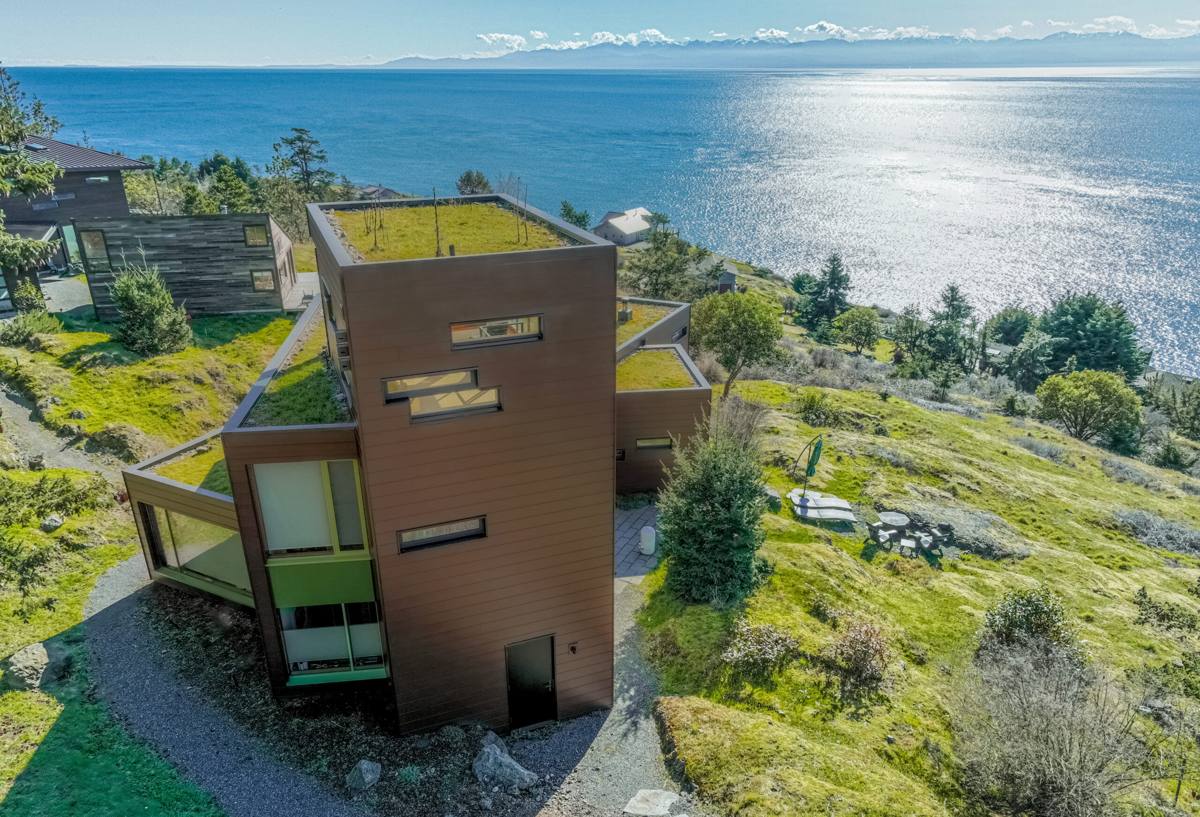
What Dunedin's Climate Actually Does to Siding
It helps to understand the specific stresses at play, because they're not the same stresses a home in a dry inland climate deals with.
Salt Air and Corrosion
Airborne salt doesn't just affect homes directly on the water. It travels inland on Gulf breezes and settles on every exterior surface it touches, including siding, fasteners, and trim. Over time it accelerates corrosion in anything metal and breaks down materials that weren't engineered to resist it.
UV Exposure
Florida sun is relentless. Siding faces near-constant UV exposure across most of the year, which fades color, dries out surface coatings, and stresses adhesives and caulks at every seam and joint.
Wind-Driven Rain
Summer storms in this part of the state don't just drop rain — they push it sideways under pressure. That means water gets forced into laps, seams, and fastener penetrations that would stay dry in a calmer climate. Any weakness in the water management behind the siding gets exploited fast.
Hurricane-Force Wind
Pinellas County homes need siding that's rated to stay attached under real wind load, not just look good on a calm day. Fastener pattern, nailing schedule, and product wind rating all matter more here than in most of the country.
Why We Only Install James Hardie Siding
Homeowners in Dunedin are often quoted several different siding products — vinyl, LP SmartSide engineered wood, primed wood panels, and various fiber cement alternatives. We don't install any of those, and we think homeowners deserve an honest explanation why, not just a sales pitch for what we do offer.
Vinyl softens and can distort in extreme heat, and it doesn't hold up structurally the way a rigid product does in high wind. Engineered wood products use a wood-strand core that, however well treated, is still wood — meaning it depends entirely on caulking, flashing, and coatings staying intact to keep moisture out over the long run. In a climate with this much wind-driven rain and humidity, that's a maintenance burden we don't think most homeowners want to sign up for.
James Hardie fiber cement siding is a cement, sand, and cellulose fiber composite. It doesn't absorb water the way wood-based products do, it's non-combustible, and it holds paint and factory finishes far longer under UV exposure than wood-based alternatives. It's also manufactured in climate-specific formulations — Hardie's HZ10 product line is engineered specifically for hot, humid, high-moisture regions like Florida's Gulf Coast, which is what we install on every Dunedin project.
What Correct Installation Actually Involves
The siding panel itself is only part of the system. Most siding failures we get called out to inspect trace back to installation shortcuts, not the product itself. A correct James Hardie installation includes:
- A properly installed weather-resistive barrier behind the siding, with all seams and penetrations sealed
- Correct flashing at every window, door, and roofline transition, so water is directed out and away from the wall assembly
- Fastener spacing and nailing pattern that meets Hardie's wind-zone specifications for coastal Pinellas County
- Proper clearance between the bottom of the siding and grade, roof lines, and decks to prevent wicking moisture
- Correctly caulked and sealed joints using compatible sealants, not general-purpose caulk that degrades under UV
- Factory-applied ColorPlus finish where possible, which resists fading far longer than field-applied paint
Skipping any one of these steps might not show up as a problem in year one. It tends to show up in year five or six, as moisture intrusion, panel warping at the edges, or fastener corrosion staining through the finish.
Our Process for Dunedin Homes
1. On-Site Assessment
We start with a full walk-around of the home, looking at the current siding condition, the state of the sheathing underneath where accessible, existing moisture damage, and any problem areas around windows, corners, and rooflines.
2. Tear-Off and Sheathing Check
Old siding comes off and we inspect the wall sheathing before anything new goes up. Any rot or water damage gets addressed at this stage — covering over a compromised wall assembly with new siding just hides the problem instead of fixing it.
3. Weather Barrier and Flashing
This is the step that determines whether the home stays dry for the next 30 years. We install and seal the weather-resistive barrier and flashing before a single piece of Hardie siding goes on.
4. Hardie Installation
Panels, planks, or shakes go up according to Hardie's published installation specifications and local wind-zone fastening requirements, with attention to proper clearances and joint treatment throughout.
5. Final Walkthrough
We walk the finished job with the homeowner, checking caulk lines, trim details, and overall finish quality before calling the project complete.
Why It Matters That We Already Work in Dunedin
Coastal Pinellas County isn't a uniform environment. Homes closer to the water deal with heavier salt exposure and more direct wind load than homes a few miles inland, and older Dunedin homes often have different wall assemblies and sheathing types than newer construction. A crew that regularly works this specific area already knows what to expect before pulling the first piece of old siding — which framing quirks are common, which flashing details tend to have failed on homes of a certain age, and which wind-zone fastening specs actually apply here versus a generic statewide default.
That local familiarity translates into fewer surprises mid-project and a installation that's actually built for the conditions the home will face, not a generic spec sheet.
Cost Factors for Siding Installation in Dunedin
Every home is different, but the following factors are what typically move the price of a siding installation up or down. We provide detailed, itemized estimates on-site rather than ballpark numbers over the phone, since so much depends on what we find once the old siding comes off.
| Factor | Why It Affects Cost |
|---|---|
| Home size and wall complexity | More square footage, corners, and roofline transitions mean more material and labor |
| Existing wall condition | Rotted sheathing or water damage found during tear-off requires repair before new siding goes on |
| Product line and profile | Hardie plank, shingle/shake, and panel profiles vary in material and labor cost |
| Finish selection | Factory ColorPlus finishes carry a different cost structure than field-applied paint finishes |
| Trim and detail work | Window casings, corner boards, and fascia detailing add labor time |
| Accessibility | Home height, landscaping, and site access affect equipment and labor needs |
Signs Your Dunedin Home May Need New Siding
Some warning signs are obvious. Others are easy to miss until they've caused real damage underneath. Watch for:
- Visible warping, buckling, or separation at panel seams
- Soft or spongy spots when pressing on the siding surface
- Peeling or bubbling paint that keeps returning after repainting
- Discoloration or staining that tracks with fastener locations
- Rising energy bills that suggest a compromised building envelope
- Visible gaps or cracking around window and door trim
Any of these are worth a professional look before they turn into a sheathing or framing repair on top of a siding replacement.
Get a Free, No-Pressure Estimate
If your Dunedin home's siding is showing its age, or you're planning ahead of the next storm season, we're happy to come take a look and walk you through exactly what we'd recommend and why. Fill out the form below to schedule a free estimate — no pressure, just a straight assessment from a crew that installs James Hardie siding on homes in this exact climate every week.