 Clearwater Siding
 Roofing in Sunset Point: What the Climate Actually Demands
Sunset Point sits close enough to the water that homes here take a different kind of beating than roofs a few miles inland. Between the salt-laden air rolling off the bay, the intensity of Gulf Coast sun beating down nearly every day of the year, and the wind-driven rain that shows up with every summer storm and tropical system, a roof in this part of Clearwater is under near-constant stress. Add in the real possibility of hurricane-force gusts during the season, and it becomes clear why a roof that would hold up fine in a drier, cooler climate can fail early here.
A correctly installed roof in this neighborhood isn't just about keeping rain out. It's about surviving UV degradation, resisting the corrosive effect of salt air on fasteners and metal components, and staying attached to the structure when wind gets underneath the edges and tries to peel it off. Every material choice and installation detail on this page is filtered through that reality.
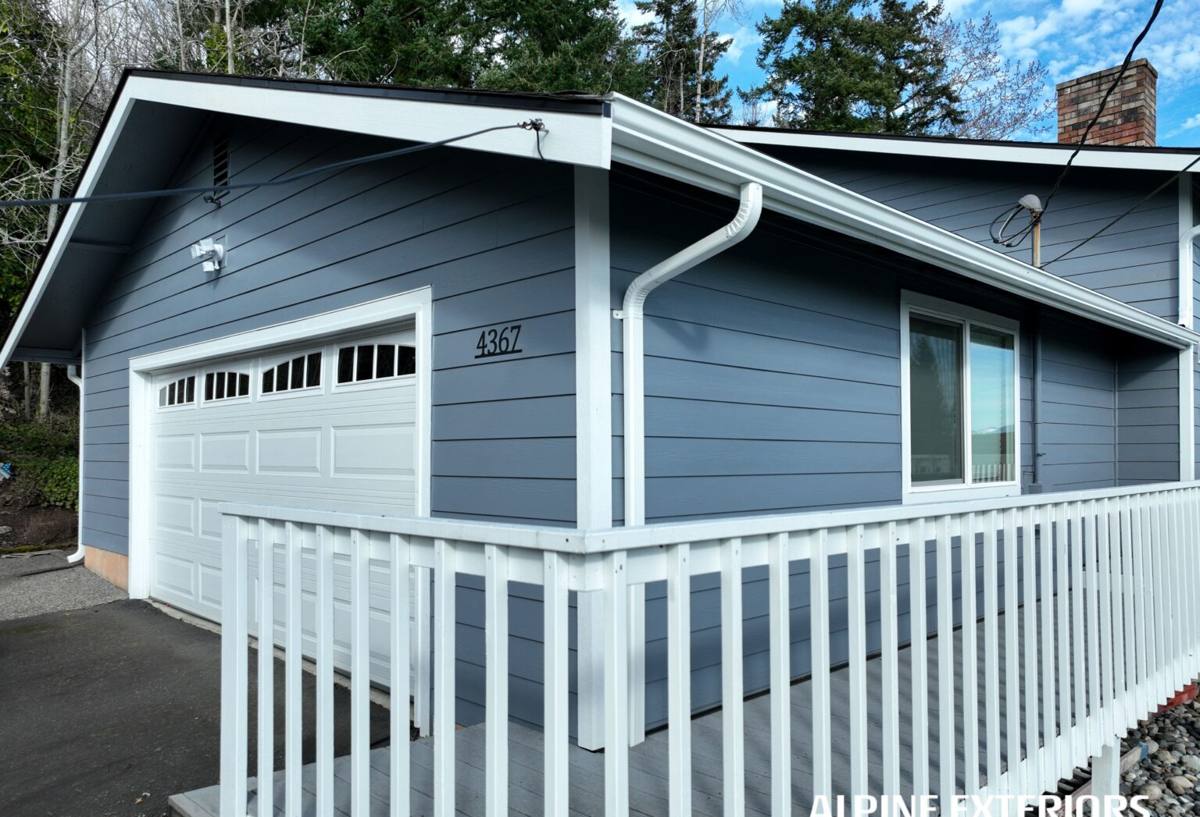
Signs a Sunset Point Home May Need a New Roof
Roofs rarely fail all at once. In Pinellas County's climate, the warning signs usually show up gradually, and homeowners often wait longer than they should because the roof "still looks fine" from the ground.
- Granule loss showing up in gutters or at the base of downspouts
- Curling, cupping, or cracked shingles, especially on south- and west-facing slopes that take the most sun
- Soft spots or sagging when walked on, which points to deck damage underneath
- Water stains on interior ceilings or in the attic after heavy rain
- Rusted, lifted, or missing fasteners around vents, flashing, and roof edges
- A roof that's 18-20+ years old, or one that has never had a full inspection after a major storm
Any one of these on its own might mean a repair. Several together, or a roof already past its expected service life, usually means it's time to talk about full replacement rather than patching the same trouble spots repeatedly.
What a Correct New Roof Installation Involves
A new roof is more than laying down new shingles or panels over what's already there. In a coastal, storm-exposed area like this one, the parts of the job you don't see matter as much as the parts you do.
Tear-Off and Deck Inspection
We remove the existing roofing material down to the deck rather than installing over it. This is the only way to actually see the condition of the wood underneath — soft, rotted, or water-damaged decking has to be replaced before anything new goes on, or the new roof is sitting on a compromised foundation from day one.
Underlayment and Water Barrier
This layer is what keeps a home dry if wind ever drives rain up under the surface roofing material, which happens more often in this area than most homeowners realize. Self-adhering waterproof underlayment at eaves, valleys, and penetrations is not optional here — it's standard practice given how sideways the rain can get during a real storm.
Flashing at Every Transition
Chimneys, skylights, wall intersections, and vent penetrations are where most roof leaks actually originate, not the open field of the roof. Properly formed and sealed flashing at each of these points is one of the details that separates a roof that lasts from one that leaks within a few years.
Fastening for Wind Resistance
Nail pattern, fastener count, and adhesive strip activation all affect how well a roof resists uplift in high wind. This is done to manufacturer specification and Florida Building Code requirements, not a generic national standard, because Florida's wind zones demand more.
Ventilation
Proper attic ventilation extends the life of the new roof and helps regulate indoor temperatures and moisture. A roof installed without correcting poor ventilation is starting its clock early.
Roofing Material Options for Sunset Point Homes
There isn't one right material for every home — it depends on budget, roof pitch, HOA or neighborhood aesthetic expectations, and how long you plan to stay in the home. Here's how the common options compare for this specific climate.
| Material | Typical Lifespan Here | Wind Performance | Considerations in This Climate |
|---|---|---|---|
| Architectural asphalt shingle | 15-25 years | Good, when rated and installed for high wind | Most affordable upfront; UV and heat exposure shortens life versus cooler climates |
| Metal roofing | 30-50 years | Excellent | Higher upfront cost; strong resistance to wind uplift and long-term UV wear |
| Tile (concrete or clay) | 30-50+ years | Excellent when properly fastened | Heavier — requires structure to support it; underlayment quality is critical since tile itself isn't fully waterproof |
| Flat/low-slope membrane (TPO, modified bitumen) | 15-20 years | Good with correct attachment | Common on additions or low-pitch sections; seam quality matters more than on steep-slope roofs |
We'll talk through which option fits your home's structure, your budget, and how long you want the roof to last before we recommend anything specific.
Our New Roof Installation Process
- Inspection and estimate. We assess the current roof, attic, and decking condition and give you an honest read on whether repair or replacement makes sense.
- Material selection. We walk through the trade-offs above based on your home and goals, with no pressure toward the most expensive option.
- Permitting. We handle the permit application with the City of Clearwater and coordinate required inspections so you don't have to manage that process yourself.
- Tear-off and prep. Old material comes off, the deck is inspected and repaired as needed, and the site is protected before new material goes down.
- Installation. Underlayment, flashing, and roofing material are installed to code and manufacturer wind-rating specification.
- Final inspection and cleanup. The job is inspected, the property is cleared of debris and nails, and we walk you through the finished roof.
Permits, Inspections, and Wind Mitigation in Pinellas County
Roof replacement in Clearwater requires a permit, and the finished work has to pass inspection before it's considered complete. We manage this as part of the job rather than leaving it to the homeowner. It's worth doing right: a properly permitted, code-compliant new roof can also qualify you for a wind mitigation inspection, which many Florida insurance carriers use to lower windstorm premiums. A roof installed to current Florida Building Code wind-resistance standards is generally the strongest position to be in for that inspection.
Keep your permit documentation, the manufacturer's warranty paperwork, and the wind mitigation report together — insurance companies and future buyers will ask for them.
Why Local Experience in Sunset Point Matters
A crew that regularly works this part of Clearwater already knows the things that generic roofing knowledge misses: how the salt air here accelerates corrosion on fasteners and metal flashing, which decking issues show up most often in homes of a certain age in the area, and how the City of Clearwater's permitting and inspection process actually runs in practice. That local familiarity translates into fewer surprises mid-project and a roof that's built for the conditions it will actually face, not a generic install.
It also means someone is genuinely accessible if a question comes up after the job — not a crew that did one project in the neighborhood and moved on.
What Drives the Cost of a New Roof
Every home is different, so we won't quote a number without seeing the roof, but these are the factors that move the price up or down:
- Total roof square footage and number of roof planes
- Roof pitch and accessibility — steep or complex roofs take more time and safety equipment
- Material chosen — asphalt shingle is generally the most affordable, metal and tile cost more upfront but last longer
- Condition of the decking underneath — rot or water damage found during tear-off adds repair cost
- Number of penetrations (chimneys, skylights, vents) requiring flashing
- Removal and disposal of the old roofing material
- Ventilation upgrades if the current system is inadequate
Broadly, asphalt shingle replacements tend to run toward the lower end of the roofing cost spectrum, while metal and tile sit meaningfully higher due to material and labor. We'll give you a clear, itemized number after an actual inspection rather than a rough guess over the phone.
Maintaining Your New Roof After Installation
A well-installed roof still needs basic upkeep to hit its full expected lifespan in this climate. Keep gutters clear so water doesn't back up under the roof edge, trim back overhanging branches that drop debris and hold moisture against the surface, and have the roof visually checked after any significant storm — not just when a leak shows up inside. Small issues like a lifted shingle or worn sealant around a vent are inexpensive to fix early and expensive to ignore.
If you're a Sunset Point homeowner weighing a repair against a full replacement, or you just want an honest read on where your current roof stands, we're happy to take a look. Request a free, no-pressure estimate using the form below and we'll walk the roof with you and lay out your real options.